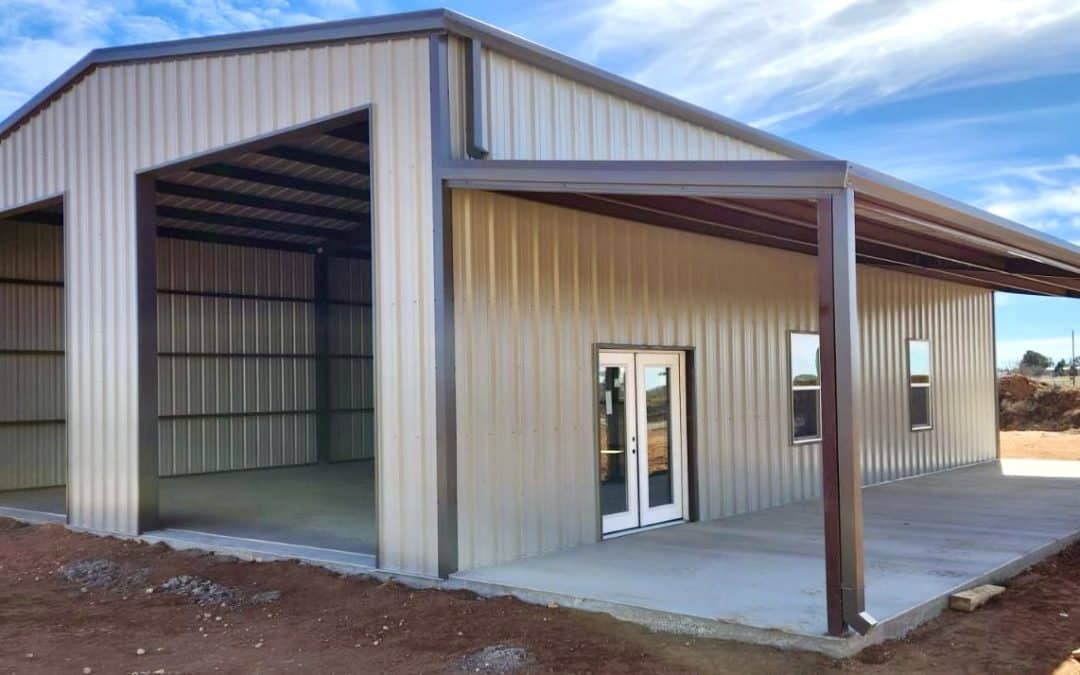
Metal buildings have become an increasingly popular choice for homeowners, offering a versatile, durable, and cost-effective alternative to traditional construction. Whether you’re considering a new workshop, a “barndominium,” or a large garage, understanding the unique aspects of metal building construction is key to a successful project.
At Nick’s Gutter Service, we specialize in a critical, often-overlooked component of these structures: proper drainage. While metal buildings are known for their strength, their design presents unique challenges that, if not addressed correctly, can lead to serious problems.
The Benefits of Metal Buildings
Metal buildings offer several significant advantages over traditional wood-framed structures:
- Durability and Longevity: Steel is highly resistant to fire, rot, pests, and mold, making it an incredibly durable material that can withstand extreme weather conditions. This longevity often translates into lower insurance premiums and minimal maintenance costs.
- Cost-Effectiveness: The pre-engineered nature of many metal buildings means they can be assembled quickly, which drastically reduces labor costs and construction time.
- Design Flexibility: Metal buildings feature clear-span interiors, which means they don’t require load-bearing walls. This gives you the freedom to create large, open spaces and customize the interior layout to your exact specifications.
- Energy Efficiency: When paired with modern insulation, metal roofs and walls are highly energy-efficient, helping to lower your heating and cooling bills.
The Unique Drainage Challenge of Metal Buildings
While the strength of a metal roof is a major selling point, its smooth, often large surface area presents a unique drainage challenge. Unlike traditional shingle roofs that absorb some water, a metal roof sheds water quickly and in high volumes. Without a properly designed drainage system, this massive runoff can cause a variety of problems:
- Foundation Damage: Water sheeting off the roof and pooling around the base of the building can compromise the foundation, leading to erosion, settling, and costly structural damage.
- Flooding and Interior Leaks: A common design in metal building construction is a “sculptured” gutter with a high front edge and a low back edge. If this gutter gets clogged with leaves or debris, water can’t overflow to the front and away from the building. Instead, it backs up and leaks down the outer wall, potentially leading to flooding and water damage inside your home or shop.
- Landscaping Erosion: The force of water cascading from the roof can quickly damage landscaping, wash away soil, and create unsightly trenches around your property.
Gutters are a Must-Have, Not an Option
For a metal building, a properly installed gutter system is not an optional accessory—it’s a critical component of its long-term health and structural integrity. A high-quality gutter system will:
- Protect Your Foundation: It channels water safely away from the base of the building, preventing erosion and foundation damage.
- Prevent Interior Leaks: It manages the large volume of runoff from a metal roof, protecting your walls and the interior of your building from water infiltration.
- Preserve Your Property: It protects your landscaping and prevents standing water, which can be a breeding ground for pests and other issues.
At Nick’s Gutter Service, we specialize in designing and installing custom drainage solutions for metal buildings. We understand the specific challenges of these structures and provide a solution that not only protects your investment but also ensures your building remains functional and beautiful for years to come.