
For property owners and investors in Lubbock, your rental property is one of your most valuable assets. But the truth is, the single biggest factor determining your long-term profitability and property condition isn’t the roof or the foundation—it’s the tenant living inside.
At Nick’s Gutters and Construction, we know that exterior maintenance is crucial, but we also know that a thorough tenant screening process is the first, best defense for protecting your investment and minimizing future maintenance headaches.
The Direct Link Between Tenant Quality and Property Damage
The cost of a poor tenant goes far beyond a single missed rent payment. It directly impacts your bottom line through increased property damage, legal fees, and high turnover rates.
- Increased Maintenance Costs: Poor tenants often neglect routine upkeep, leading small issues to become costly problems. For example, failing to report a plumbing leak or ignoring a clogged drain can result in extensive water damage, mold growth, or even foundation issues.
- Structural and Aesthetic Damage: Beyond normal wear and tear, destructive tenants can cause abnormal damage to appliances, walls, floors, and fixtures, requiring expensive make-ready repairs that eat into your profit margins.
- Legal and Eviction Costs: The cost of evicting a tenant, including court fees and lost rent during the eviction period, can severely impact your annual return on investment.
Key Steps to a Bulletproof Screening Process
A comprehensive screening process is your insurance policy against future problems.
- 1. Credit and Financial History: Reviewing a credit report reveals more than just a score; it indicates financial responsibility. Look for a low debt-to-income ratio, a history of timely payments, and any prior evictions or bankruptcies. A financially stable tenant is less likely to miss rent.
- 2. Criminal Background Check: This is essential for protecting the property, neighbors, and maintaining a safe community environment.
- 3. Rental History Verification: This is arguably the most important step. Always contact previous landlords, not just the current one (who might be eager to see a bad tenant leave). Ask specific questions:
- Did they pay rent on time?
- Did they give proper notice before moving?
- Did they cause any damage beyond normal wear and tear?
- Would you rent to them again?
- 4. Income Verification: Require pay stubs, W-2s, or tax returns to confirm that the applicant earns at least three times the monthly rent. This ensures they can comfortably cover the rent alongside their other financial obligations.
How Screening Protects Your Property’s Exterior
Exterior components, which are vital to your home’s curb appeal and protection, often suffer from tenant neglect.
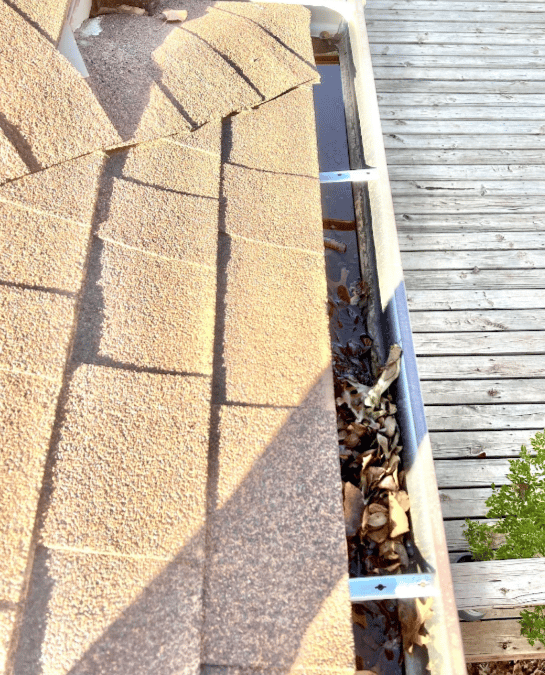
- Drainage and Gutters: A quality tenant understands that a clogged gutter or improper drainage can cause foundation failure. They are more likely to communicate when they see a problem with leaves or debris.
- Preventing Vandalism and Neglect: Tenants who respect their living space are less likely to cause exterior damage, such as broken windows, or neglect simple responsibilities like maintaining the lawn (if required by the lease) or discarding trash properly.
By making a small investment in a thorough screening process now, you drastically reduce the chance of expensive repairs, extended vacancies, and the stress of a problem tenant down the road. Protect your property like the valuable asset it is—it all starts with choosing the right resident.